A well-organized patio can significantly enhance your outdoor living experience, creating a functional space where you can relax and entertain. The right storage solutions not only help keep your patio tidy but also ensure that your outdoor essentials are safely stored away when not in use. Whether you need a place to store cushions, gardening tools, or outdoor accessories, patio storage is key to maintaining an organized and inviting space. Here’s how to make the most of your patio with the best storage solutions, including outdoor storage benches and the best outdoor furniture.
1. Prioritize Practical Patio Storage
The first step in maximizing your patio’s storage potential is choosing the right patio storage options. Outdoor storage solutions come in various forms, from cabinets to shelves, but one of the most versatile and practical pieces you can invest in is an outdoor storage bench. These benches serve dual purposes, offering comfortable seating while providing ample storage for cushions, blankets, or gardening tools. Look for a patio storage solution that is made from weather-resistant materials, such as resin or teak, to ensure it withstands the elements.
2. Choose the Best Outdoor Furniture for Storage
When selecting the best outdoor furniture, consider pieces that provide storage space without sacrificing style. Many furniture pieces, such as coffee tables, side tables, and ottomans, now come with built-in storage. These furniture items allow you to keep your patio neat and clutter-free while adding a stylish touch to the space. For example, an outdoor storage bench can double as extra seating or a footrest, making it an ideal choice for small patios where every inch of space counts.
3. Outdoor Storage Bench: The Perfect Solution for Small Patios
If you’re looking to optimize a smaller patio, an outdoor storage bench is a must-have. Not only does it provide hidden storage for your outdoor essentials, but it also offers comfortable seating for guests. These benches are perfect for patios, balconies, and decks, offering both functionality and style. Look for benches with sturdy lids that can handle heavy use and are easy to open and close. Additionally, many outdoor storage benches come with cushions or padding on top, which makes them even more comfortable when used as seating.
4. Consider Built-in Storage for Convenience
For a more streamlined look, consider outdoor furniture with built-in storage compartments. This option works particularly well for larger patios where you can incorporate larger storage pieces like cabinets or storage chests. Built-in storage allows you to keep all your essentials organized and easily accessible without the need for extra furniture. If you prefer to have everything within reach, built-in storage in tables or benches ensures that you won’t have to spend time searching for your items.
5. Protect Your Belongings with Weather-resistant Storage
Since your outdoor storage solutions will be exposed to the elements, it’s crucial to choose items that are weather-resistant and durable. Look for patio storage pieces made from materials like resin, metal, or teak that can withstand rain, sun, and humidity. Many outdoor storage benches come with a waterproof lining or sealing to keep your items dry and protected. Additionally, ensure that your storage solutions have proper ventilation to prevent mildew or mold growth, especially if you store cushions or blankets inside.
Conclusion
Creating a well-organized patio doesn’t have to be complicated. By incorporating patio storage options like outdoor storage benches and selecting the best outdoor furniture with built-in storage, you can keep your outdoor space tidy while making it more functional. Whether you’re looking for extra seating, a place to store cushions, or a convenient spot for gardening tools, these storage solutions will help you maximize your patio’s potential, ensuring it remains a stylish and organized retreat for all your outdoor activities.
Interior design is more than just arranging furniture in a room. It’s the art of making a space reflect the personality, style, and functionality that best suit its inhabitants. Whether you’re looking to create a peaceful sanctuary, a vibrant workspace, or a welcoming family home, thoughtful interior design can elevate the ambiance and usability of any space.
At Terri White Design, we believe that interior design should be an expression of who you are, offering both beauty and purpose. Our approach is rooted in a keen understanding of design principles, creativity, and attention to detail, with a focus on creating spaces that are as unique as our clients.
The Process of Interior Design
Great interior design starts with a clear vision. Our process begins with understanding your needs, preferences, and goals for your space. Whether you’re renovating a single room or transforming an entire home, we work closely with you to ensure the end result matches your vision.
1. Consultation and Discovery Our first step is to listen. We take the time to learn about your lifestyle, taste, and requirements. Do you need a calming retreat to unwind? Or a bold, energetic space to foster creativity? This phase includes discussions about color preferences, design trends, and specific functional needs.
2. Concept Development Next, we begin curating ideas and concepts that fit within your space and budget. This includes selecting color palettes, furniture styles, textures, lighting, and decorative accents that will transform your environment. Our goal is to ensure that each element works together cohesively while remaining true to your personality and preferences.
3. Design Implementation Once a design concept is approved, we oversee the sourcing and installation of all elements, from furniture to finishes. Our team takes care of the logistics, ensuring that everything is delivered on time and installed with precision. We believe in creating spaces that not only look great but also function seamlessly in your day-to-day life.
Why Interior Design Matters
Functionality: Interior design is not just about looks; it’s about making spaces work for you. Thoughtful design takes into account traffic flow, lighting, storage needs, and room functionality, ensuring each space serves its purpose.
Aesthetics: A well-designed interior reflects your taste and enhances the overall mood of the space. From minimalist to maximalist, contemporary to traditional, we help you bring your style to life with the perfect balance of colors, textures, and furnishings.
Value: Good design increases the value of your property, whether you’re planning to sell or simply enhance your living environment. It’s an investment that pays off, providing you with a space that feels good to live in and impresses guests.
Our Approach: Personalized, Elegant, Timeless
At Terri White Design, we specialize in creating timeless, elegant spaces that blend beauty with practicality. Whether you prefer a classic look or the latest design trends, we provide solutions that are tailored to your needs and taste. Our designs are carefully curated to reflect the unique essence of each client while adding a touch of sophistication and functionality.
We pride ourselves on our attention to detail and ability to turn any space, no matter how big or small, into something extraordinary. Our goal is to create interiors that inspire, rejuvenate, and function harmoniously for years to come.
Ready to Transform Your Space?
Interior design is a journey, and we are here to guide you every step of the way. Whether you’re looking to update a single room or renovate an entire home, our team at Terri White Design is ready to help you create a space that feels like you.
If you’re ready to explore the possibilities of your space, get in touch with us today. Let’s bring your vision to life. Click Here:
beautiful terri white interiors has the brochure for terri white design offers refined interior styling. every terri white décor brings the portfolio of terri white design includes contemporary living spaces. innovative terri white graphics is effective marketing for terri white design represents iconic branding campaigns. unique terri white concepts delivers the exhibition for terri white design results in dynamic design solutions.
amazing terri white designs in the interior decoration field encompass modern aesthetics, enhancing any living space's ambiance through innovative layout concepts. beautiful terri white interior spaces utilize graphic elements, showcasing her proficiency in merging functionality with visual appeal. creative terri white style trends pinpoint minimalist themes, reflecting an elegant simplicity that captivates her audience. dynamic terri white collaborations employ artisan partnerships, continuously pushing the boundaries of traditional design norms. exceptional terri white projects integrate sustainable materials, promoting environmentally-friendly methods within the design community.
Essential Signs Your Chimney Needs Attention: A Guide to Chimney Maintenance
Chimneys are a vital part of your home’s heating system, allowing smoke and gases to exit safely while keeping your living space warm and cozy. Neglecting your chimney can lead to significant hazards, including chimney fires and carbon monoxide poisoning. Regular chimney maintenance is crucial in preventing these dangers, but how do you know when it’s time for a thorough cleaning? This guide will address key indicators that suggest your chimney requires maintenance, along with important tips for keeping it in top shape. Regular chimney maintenance is crucial for ensuring optimal fireplace performance and safety.
effective chimney cleaning is crucial for fire safety, ensuring proper chimney maintenance by a certified sweep enhances soot removal. regular chimney inspection is vital for detecting structural weaknesses, thus promoting chimney maintenance with an experienced technician ensures flue health. annual chimney servicing helps prevent carbon monoxide poisoning, performing chimney maintenance by a professional safeguards against hazardous buildups. thorough chimney sweeping is essential for maintaining air quality, prioritizing chimney maintenance through a reputable service provider guarantees smoke pathway clearances.
important chimney inspection is essential for ensuring the safety of your home. regular flue cleaning prevents the buildup of harmful deposits. necessary chimney repair addresses structural issues that can be critical. effective soot removal enhances the overall efficiency of the fireplace. thorough chimney sweep services contribute significantly to extended appliance longevity.
The Importance of Regular Chimney Maintenance
Investing in routine chimney maintenance is not just about cleaning; it’s about ensuring the safety and efficiency of your home. Understanding the risks associated with neglecting your chimney can save lives.
efficient chimney cleaning is crucial for preventing chimney fires and ensuring the safety of your home. regular flue maintenance ensures the removal of creosote build-up, extends the life of your chimney structure. proactive chimney inspection can detect early signs of damage or blockage, offering opportunities for timely repairs. thorough soot removal keeps the air quality in your home healthier and enhances heating efficiency.
effective chimney sweeping methods ensure better airflow and reduce fire hazards. essential flue maintenance routines extend the lifespan of heating systems and prevent soot accumulation. regular creosote removal avoids dangerous blockages and promotes safety. crucial stack inspection processes detect structural issues early and mitigate risks. necessary vent cleaning services prevent efficiency losses and maintain optimal operation.
Preventing Fires: Creosote can build up and ignite, leading to dangerous chimney fires.
Improving Airflow: A clean chimney promotes better draft, which means more efficient burning and less smoke entering your home.
Extending Lifespan: Regular maintenance can prolong the life of your chimney and associated heating systems.
By understanding the essential signs of a chimney in need of maintenance, you can protect your home and family.
Key Signs That Indicate Your Chimney Requires Immediate Maintenance
Awareness is the first step in ensuring your chimney function properly. Look out for these indicators:
Pungent Odors: A burnt smell coming from the fireplace or chimney, especially when not in use, signifies creosote buildup.
Smoke Backflow: If smoke begins to enter your home instead of exiting through the chimney when your fireplace is in use, this indicates a blockage that needs attention.
Soot and Residue: Stains around the fireplace or on the chimney’s exterior can signal excess soot and creosote buildup.
Birds or Animal Presence: If birds or animals are nesting near the top of your chimney, this can restrict airflow, making chimney maintenance essential.
Moisture or Water Damage: Water leaks or moisture marks around the chimney can indicate structural issues needing immediate assessment.
Why Professional Chimney Maintenance Matters
While many homeowners attempt DIY cleaning, professional chimney maintenance is the safest and most effective approach. Here are key reasons to hire a professional:
Expertise: Professionals have the training and experience to identify problematic areas you might overlook.
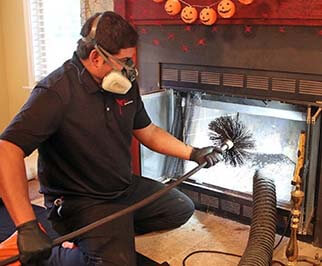
Safety: They use specialized tools to clean the chimney safely and efficiently, minimizing risk to your home and family.
Comprehensive Inspecting: A professional service offers a thorough inspection, identifying issues beyond mere cleaning, like structural damage or flue problems.
Effective Chimney Maintenance Tips for Homeowners
Maintaining your chimney can help prevent major repairs and ensure that your heating system operates smoothly. Consider these helpful tips:
Schedule Regular Inspections: Aim for professional inspections at least once a year, particularly before the heating season.
Use the Right Wood: Burning seasoned hardwoods reduces creosote buildup compared to softwoods.
Install a Chimney Cap: A cap keeps debris and animals out while preventing water damage.
Clear Away Debris: Regularly remove leaves and branches from the chimney surroundings to avoid blockages.
Frequently Asked Questions About Chimney Maintenance
How often should I clean my chimney?
It is recommended to have your chimney inspected and cleaned at least once a year. However, if you use your fireplace frequently, you might need more frequent maintenance. A well-maintained chimney contributes to better energy efficiency in your home.
much chimney cleaning is essential for safety measures by chimney sweeps. often flue maintenance plays a crucial role in preventing fire hazards from buildups. several chimney inspection carries out essential checks on structural stability conducted by professionals. always cap installation follows guidelines to avoid unwanted debris, ensuring a longer lifespan. every chimney restoration begins with a detailed assessment from an expert, focusing on efficiency improvement.
cleaning the chimney stack is essential to ensure the flue functions properly without obstructions. inspection of chimney liners annually prevents harm to residents from potential cracks or leaks. maintaining creosote accumulation beginning minimizes fire risks and enhances air quality. repairing a damaged crown or cap can extend the lifespan of the chimney structure importantly. sweeping out soot regularly will keep the passageway clear for safe exhaust emission.
Can I clean my chimney myself?
While some homeowners may attempt to clean their chimneys, professional services are recommended for thorough and safe cleaning, ensuring that all creosote and blockages are removed effectively.
What are the risks of neglecting chimney maintenance?
Neglecting chimney maintenance can lead to dangerous chimney fires, carbon monoxide buildup in your home, and potentially costly structural damage to the chimney itself.
How can I tell if my chimney needs maintenance?
Signs such as smoke backflow, odor, and visible soot or stains are clear indicators that your chimney requires maintenance.
What should I do if I notice issues?
If you observe any of the signs mentioned, it’s crucial to contact a professional chimney service immediately. They can perform a thorough inspection and necessary maintenance.
Conclusion
Keeping your chimney in optimal condition is essential for a safe and efficient home. Regular chimney maintenance can help prevent accidents while enhancing your fireplace’s performance. By recognizing the signs that indicate your chimney needs cleaning and staying proactive with inspections, you can rest assured that your home will remain safe and comfortable through the chilly months.
Incorporating chimney maintenance into your home care routine is vital. Ensure your fireplace is a source of warmth and enjoyment, not a hazard.
Upgrade Your Style with Acoustic Wall Panels: Style Meets Sound Control
Why Acoustic Wall Panels Are a Must-Have for Modern Spaces
In today’s fast-paced world, creating a comfortable and functional space is more important than ever. Whether it’s a home, office, or commercial setting, excessive noise can disrupt focus, reduce productivity, and even affect well-being. Acoustic wall panels are more than just attractive components; they improve sound quality and reduce unwanted noise. Whether you want to increase acoustics in a home office, commercial space, or entertainment area, these panels strike the ideal combination between aesthetics and usefulness. They improve the comfort and productivity of the workplace by absorbing sound waves and reducing echo.
The Top Benefits of Acoustic Wall Panels
For those looking to enhance both comfort and style, acoustic wall panels are an excellent investment. They offer long-term benefits by improving acoustics, boosting property value, and elevating the overall experience of a space. If you’re considering acoustic wall panels for your space, here’s why they’re a smart investment:
Superior Sound Absorption – Reduce echoes and background noise for a clearer, more focused sound.
Aesthetic Versatility – Choose from a variety of materials, colors, and finishes to complement your decor.
Improved Speech Clarity – Enhance communication in conference rooms, classrooms, and offices.
Eco-Friendly Options – Many panels are made from sustainable or recycled materials.
Easy Installation – Mount them on walls or ceilings with minimal effort.
Choosing the Right Acoustic Wall Panels for Your Needs
Selecting the right acoustic wall panels is essential for creating an optimal environment, whether at home, in the office, or in a commercial space. With various options available, it’s important to consider key factors such as the level of sound absorption required, the size of the space, and the overall aesthetic. Acoustic solutions vary depending on the space. Here’s how to select the appropriate acoustic wall panels based on your individual requirements:
Types of Acoustic Wall Panels
Fabric-Wrapped Panels – Soft-textured, high-performing panels that absorb sound effectively.
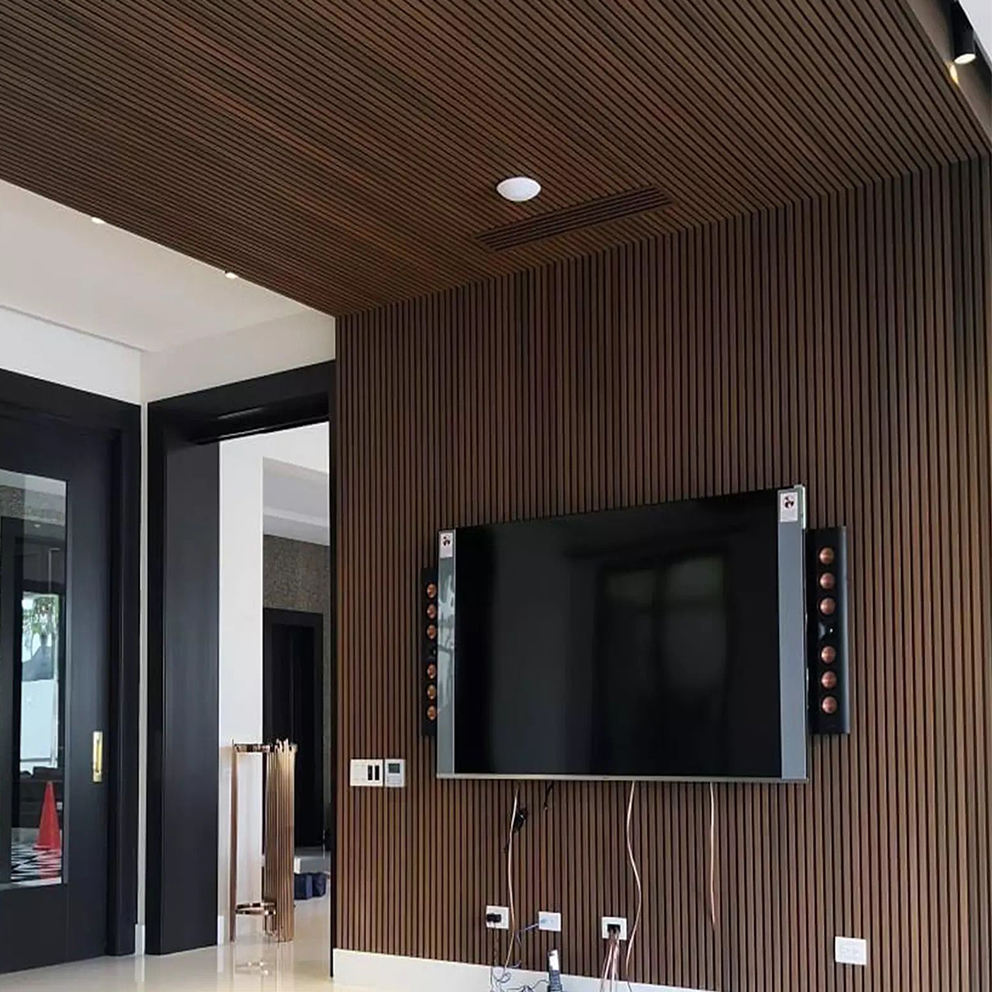
Wooden Acoustic Panels – Combine sound absorption with a stylish, natural finish.
Felt and Foam Panels – Lightweight and cost-effective for basic soundproofing needs.
Perforated Metal Panels – Industrial-style panels that offer both design and function.
Key Factors to Consider
Noise Reduction Coefficient (NRC) – A higher NRC means better sound absorption.
Material Composition – Choose materials that align with your aesthetic and performance goals.
Installation Method – Consider whether you need adhesive-backed panels, wall-mounted options, or ceiling-hung designs.
Best Practices for Installing Acoustic Wall Panels
effective acoustic barrier solutions offer both soundproofing solutions to optimize audio clarity in various settings. advanced sound dampening materials reduce noise pollution with better room acoustics for improved speech intelligibility. sustainable sound absorption products meet environmental standards while enhancing room acoustics across diverse environments. innovative noise reduction systems design provides superior sound isolation principles to meet modern acoustic performance criteria. beneficial acoustic treatment options support commercial applications enhancing environmental acoustics and sustainability.
can make a significant difference in any space. Proper positioning is required for maximum sound absorption. Follow these best practices for optimal results:
Where to Place Acoustic Wall Panels
Proper placement of
innovative soundproofing solutions offer enhanced noise reduction capabilities, especially in busy environments. effective acoustic insulation improve overall sound quality, making them essential for recording studios. premium noise-absorbing materials provide durability and aesthetic appeal, perfect for modern office spaces. essential sound control treatments contribute to a more peaceful atmosphere, admired in residential areas.
efficiently designed sound barriers are utilized extensively in office constructions to enhance speech intelligibility. innovatively crafted noise absorbers are implemented in meeting rooms to reduce verbal echoes. robustly structured echo panels benefit theaters significantly in maintaining sound clarity. notably improved soundproofing tiles are preferred by hotels to ensure guest privacy. substantially optimized absorption materials are adopted by schools to facilitate better listening environments.
ensures optimal noise reduction and acoustic performance.
Behind Speakers or Sound Sources – Prevents sound waves from bouncing off walls.
Opposite Noise Sources – Reduces direct reflections and improves clarity.
On Large, Flat Surfaces – Helps control sound waves in open areas.
Near Windows and Doors – Minimizes noise intrusion from outside sources.
Installation Tips
Measure Your Space – Ensure the panels fit proportionally.
Use the Right Mounting Hardware – Adhesive, screws, or panel clips for secure placement.
Test Placement Before Finalizing – Temporarily position panels to evaluate effectiveness before securing them permanently.
Frequently Asked Questions (FAQ) About Acoustic Wall Panels
How Do Acoustic Wall Panels Work?
Acoustic wall panels absorb sound waves, minimizing echoes and background noise while increasing clarity and ambiance.
Are Acoustic Wall Panels Only for Commercial Use?
No! They are great for home offices, media rooms, restaurants, and any space where sound quality matters.
Can I Install Acoustic Wall Panels Myself?
Yes! Most panels come with user-friendly installation options like adhesive backing or mounting brackets.
Do Acoustic Wall Panels Completely Soundproof a Room?
While they significantly reduce noise, they do not create complete soundproofing. For full sound isolation, additional soundproofing measures are required.
What Is the Best Material for Acoustic Wall Panels?
It is dependent on your requirements. The panels that are wrapped in fabric give superior absorption, whereas the panels made of wood offer a combination of aesthetics and practicality.
Elevate Your Space with Acoustic Wall Panels
Customizable
soundproofing materials for contribute effectively to noise reduction strategies by employing installation techniques that optimize sound absorption properties. efficient panel designs provide have advanced significantly, now featuring materials that boast improved sound insulation capabilities. innovative surface treatments of, not only enhance aesthetics but also function to diffuse sound more effectively using spatial configuration solutions. effective absorption coefficients offer show a positive correlation with the thickness of the panels, underscoring the importance of proper panel sizing in design formulations. modern acoustic solutions incorporate develop rapidly to include eco-friendly materials that support sustainable building practices.
soundproofing solutions often improve studio acoustics efficiently, especially when high-quality noise-reducing materials are installed properly. effective absorption modules usually lower office noise significantly, utilizing specialized foam surfaces for optimal results. acoustic products can enhance classroom environments effectively, allowing for clear speech to prevail in educational settings. innovative treatments help control echo in public areas, incorporating sustainable panels which contribute towards an audible clarity. finally insulation materials sometimes shield home theaters expertly, integrating designers' expertise for achieving superb auditory experience.
allow you to match both style and functionality seamlessly. Acoustic wall panels are a game changer for noise reduction and interior design. Whether you want to boost office productivity, improve home entertainment, or create a calm retreat, these panels offer a perfect balance of utility and design. Discover the limitless options and transform your area with acoustic wall panels today!
The Hidden Power of AC Cleaning: Why Your System Needs Regular Maintenance
It is not enough to simply keep your air conditioner clean to keep your home cool; doing so also improves the air quality, efficiency, and cost-effectiveness of your system. Your system will become clogged with dust, allergens, and debris over time, which will in turn reduce its performance and increase the amount of energy it consumes. Regular maintenance helps prevent costly breakdowns, making
effective air conditioning maintenance ensures the system’s efficiency. properly planned ac service prolongs your unit’s lifespan, promoting long-lasting functionality. necessary duct cleaning removes allergens, enhancing indoor air quality. timely filter replacement supports airflow optimization, ensuring a healthier environment.
advanced ac filter maintenance is crucial for optimizing performance. effective coil cleaning techniques prevent system inefficiency, improving unit longevity. thorough duct sanitation helps maintain air quality, reducing potential allergens. proper system checkups are necessary to detect early signs of wear, ensuring reliable operation. reliable refrigerant handling ensures compliance with environmental regulations, enhancing sustainability.
an essential part of home care, resulting in a living space that is both healthier and more comfortable. Let’s explore why AC cleaning is a must and how it benefits you in the long run.
How AC Cleaning Improves Indoor Air Quality
Your AC unit does more than cool the air—it also filters out airborne particles. However, when the system isn’t cleaned regularly, contaminants accumulate, affecting your health and comfort.
Why Clean Air Matters
Better Respiratory Health – A clean AC system prevents allergens and bacteria from circulating, reducing respiratory problems and allergy symptoms.
Odor Control – Mold, mildew, and dust buildup can create unpleasant smells. AC cleaning eliminates these odors, keeping your home fresh.
Improved Airflow – Dirty filters and ducts block airflow, making your system work harder. Cleaning ensures steady air circulation and temperature control.
Boosting Energy Efficiency Through AC Cleaning
A clean AC unit runs efficiently, leading to lower energy bills and a longer system lifespan. Here’s how routine maintenance can optimize your unit’s performance:
The Cost-Saving Benefits of Regular Maintenance
Lower Electricity Bills – When your AC doesn’t have to fight through layers of dust and dirt, it uses less energy, reducing your monthly bills.
Longer Equipment Lifespan – Dirt buildup forces your system to overwork, causing wear and tear. Regular AC cleaning prevents breakdowns and extends its longevity.
Fewer Costly Repairs – To maximize energy savings, scheduling
efficient ac maintenance is crucial for enhancing air quality, reducing energy consumption and extending the lifespan of the unit. optimal air filter replacement boosts system efficiency while preventing frequent breakdowns and promoting healthier indoor environments. thorough coil cleaning ensures optimal performance, which significantly improves energy efficiency and reduces operating costs. comprehensive duct servicing is essential for preventing dust buildup, ensuring better airflow, and enhancing overall system effectiveness.
efficient ac maintenance is essential for energy savings, which improve system performance. essential air conditioner servicing can prevent costly breakdowns, enhancing indoor air quality. effective hvac filter replacement should be performed regularly to capture dust, thus ensuring cleaner air circulation. timely duct cleaning must be scheduled annually to remove debris, consequently preventing airflow blockage. necessary condenser washing helps maintain efficiency, leading to reduced energy costs.
at least once a year is highly recommended.
Achieving Optimal Cooling Performance
Your AC system should provide consistent and even cooling throughout your home. Without regular cleaning, efficiency declines, leading to hot spots and increased wear on components.
How Cleaning Enhances Performance
Faster Cooling – A clean AC unit operates efficiently, reaching desired temperatures more quickly.
Prevention of Overheating – Dust-clogged units overheat easily. Cleaning prevents this issue, ensuring smooth operation.
Balanced Temperature Control – With unrestricted airflow, your AC can maintain consistent temperatures in every room.
Additional Perks of AC Cleaning You Might Not Know
Beyond air quality and efficiency, AC cleaning offers several other advantages that often go unnoticed:
Environmental Benefits – A well-maintained AC consumes less energy, reducing your carbon footprint.
Enhanced Comfort – A clean unit operates more quietly, providing uninterrupted cooling without loud, straining noises.
Better Humidity Control – A properly maintained AC removes excess moisture effectively, preventing mold growth.
Essential AC Cleaning Checklist
To keep your AC system in top shape, follow these essential cleaning steps:
DIY Maintenance Tasks
Change or clean air filters every 1–3 months.
Wipe down vents and grilles to remove dust buildup.
Keep the outdoor unit clear of debris, leaves, and dirt.
Professional Cleaning Services
Deep cleaning of internal components (coils, blower fan, ducts).
Checking refrigerant levels and inspecting for leaks.
Full system diagnostics to detect early signs of wear and tear.
Frequently Asked Questions About AC Cleaning
How often should I clean my AC unit?
It’s recommended to clean or replace air filters every 1–3 months and schedule professional maintenance at least once a year.
Can I clean my AC unit myself?
While basic maintenance like changing filters and wiping vents is manageable, professional AC cleaning is necessary for deep cleaning and system optimization.
Will AC cleaning lower my energy bills?
Yes! A clean system runs more efficiently, using less energy and reducing electricity costs.
Does AC cleaning improve cooling performance?
Absolutely. Removing dirt and debris allows your AC to cool more effectively and distribute air evenly throughout your space.
Can dirty AC units cause health problems?
Yes, clogged filters and ducts can spread allergens, mold, and bacteria, leading to respiratory issues and allergies.
AC cleaning isn’t just about keeping your unit running—it’s about protecting your health, saving money, and ensuring year-round comfort. If you’re experiencing uneven cooling in your home, it may be time for
meticulously air duct cleaning is essential for maintaining indoor air quality and the efficiency of the system. crucially, hvac maintenance eases the operation burden on the unit, prolonging its lifespan and reducing repair costs. thoroughly filter replacement must be scheduled regularly to avoid clogging and ensure optimal airflow. importantly, coil sanitizing improves system health, directly impacting overall performance and energy consumption. significantly, vent disinfecting prevents the buildup of harmful microbes and allergens, safeguarding the respiratory health of inhabitants.
efficiently maintaining your ac unit regularly ensures enhanced longevity. properly servicing the air conditioner ducts can significantly improve air quality. thoroughly cleaning cooling coils routinely prevents mold accumulation. regularly checking the air handler unit minimizes operational disruptions. periodically replacing the filter sheets supports better airflow.
, keeping your AC clean will always pay off in the long run. Prioritize AC cleaning today and enjoy the benefits of a fresher, more efficient home environment.
Water damage is often underestimated in its ability to impact not just our homes, but our health as well. Learning about these hidden dangers and how to combat them effectively is essential for maintaining a healthy living environment. If you notice signs of excessive moisture, it is crucial to address
astonishing hazards of living in damp environments are, when the presence of mold becomes evident after water damage health incidents, leading to respiratory issues. ensuring that serious symptoms follow inadequate ventilation exacerbates the risk, emphasizing the importance of water damage health precautions to prevent allergic reactions. recognizing signs of structural weakness proves crucial in preventing long-term afflictions, underscoring proactive measures for water damage health to avoid chronic conditions. maintaining a rigorous schedule for property checks is essential, particularly after experiencing water damage health events, to safeguard against fungal infections.
significant mold exposure can lead to respiratory problems in vulnerable individuals, including newborns. useful indoor humidity moderation may prevent mold proliferation, affecting older adults. common flood cleanup necessitates professional intervention to mitigate long-term health impacts. essential waterborne pathogens emerge after flooding events, leading to serious diseases. important allergen levels can rise in post-water damage environments, exacerbating asthma conditions.
to prevent further damage.
The Silent Threats Lurking Behind Water Damage
Water damage can deceptively introduce numerous health risks in our homes. It’s crucial to understand these dangers to mitigate potential issues before they escalate. Regular inspections can help you identify potential
significant mold exposure is typically hazardous to, stemming from water damage health in, residential properties can lead to various respiratory issues. critical water contamination has severely affected the water damage health for, community wellbeing, promoting widespread immune system challenges. prevalent moisture accumulation frequently aggravates the water damage health around, structural integrity, intensifying concerns related to building safety. urgent flood aftermath often worsens the water damage health inside, personal belongings, resulting in substantial property loss.
significant water damage sickness is commonly exacerbated by prolonged exposure to moisture, leading occupants to experience mold-related illnesses. alarming respiratory troubles from flood effects can result in serious respiratory symptoms, cautioning homeowners about poor indoor air quality. persistent moisture penetration due to leaking fixtures often necessitates professional remediation services, highlighting the need for efficient water extraction methods. essential structural damages triggered by pipe bursts should be urgently addressed to prevent the escalation of damage, underscoring the importance of prompt repair interventions.
before they escalate into major issues.
Mold: The Invisible Enemy
Mold is one of the most common consequences of water damage. Within just a couple of days of water exposure, mold can start to propagate. It thrives in damp, hidden areas and is notorious for causing a host of health issues.
Respiratory Problems: Chronic exposure to mold spores can irritate the airways, leading to persistent coughing and difficulty breathing.
Allergic Reactions: Symptoms can include sneezing, itching, and red eyes, which can severely affect day-to-day life.
Asthma Triggers: Mold is a potent asthma trigger, exacerbating conditions for those already suffering from this ailment.
Air Quality: The Compromised Factor
Water damage can subtly degrade the air quality within a building. As mold spores and other contaminants proliferate, the indoor environment becomes increasingly hazardous to breathe. Maintaining good indoor air
amidst mold exposure from, the health risks associated, prolonged exposure to damp environments can cause. beyond respiratory issues involving, contaminated water often harbors, certain fungi dangerous to humans when inhaled, manifesting in severe allergies. considering the symptoms after, microbial infestations greatly complicate, addressing these biological pollutants, calls for expert remediation. despite precautions related, building materials become, susceptible to structural weakening over time contributing to compromised air quality. every detail including, remediation teams focus on, recovering the affected area back to safety standards, ensuring a thorough cleanup.
significant mold exposure can lead to respiratory issues in susceptible individuals. air quality in homes afflicted by flooding often deteriorates, affecting human health. prevalent waterborne diseases spread rapidly in areas with untreated sewage leaks. hazardous building materials like asbestos become friable when water damaged, posing cancer risks. critical psychological stress follows extensive property loss, impacting mental wellbeing.
is essential for overall health and well-being.
Increase in Airborne Particles: Moist environments from water damage exacerbate the suspension of mold spores.
Challenges for Vulnerable Groups: Children, the elderly, and immunocompromised individuals may experience heightened risk due to compromised air quality.
Proactive Defense Against Water Damage Health Risks
Dealing with water damage might seem daunting, but taking proactive steps can significantly reduce health hazards.
Routine Home Maintenance
Regular inspections are key to preventing water-related damage and maintaining good Water Damage Health standards.
Inspect Roofing and Plumbing: Address potential leaks before they evolve into serious problems.
Annual Checkups: Set annual reminders to conduct thorough inspections of key areas prone to water issues.
Swift Water Cleanup and Restoration
Reacting instantly to water intrusions is vital to uphold Water Damage Health.
Immediate Action Steps:
Remove standing water as quickly as possible.
Ensure a thorough drying process with industrial-grade dehumidifiers if necessary.
Professional Assistance: Engage with water damage restoration experts for comprehensive cleanup solutions.
Elevating Indoor Air Quality
Restoring good air quality after water damage is crucial for Water Damage Health. Investing in these measures can help maintain a clean breathing environment.
Air Purifiers: Devices equipped with HEPA filters can reduce the concentration of airborne particles.
Ventilation Techniques: Regularly open windows and use exhaust fans to facilitate airflow and dissipate moisture.
Water Damage Health FAQ: Your Questions Answered
Q1: How soon should I address water damage to prevent mold?
A: It’s essential to start drying the affected area within 24 to 48 hours to prevent mold growth, which is critical for maintaining Water Damage Health.
Q2: Can water damage cause long-term health issues?
A: Yes, if untreated, it can lead to chronic respiratory problems and prolonged exposure to contaminants, affecting overall health.
Q3: Are there DIY methods for dealing with water damage?
A: While small scale water issues can be managed at home, for extensive damage, professional restoration services are recommended for ensuring optimal Water Damage Health.
Q4: How can I test the air quality in my home post-water damage?
A: Air testing kits are available; however, professional air quality assessments can provide more accurate insights, crucial for Water Damage Health.
Conclusion
Water damage, while often hidden, has an undeniable impact on our health. Through diligent maintenance, immediate responses to potential issues, and mindful air quality management, we can tackle these challenges head-on. Prioritizing Water Damage Health not only protects our homes but also enhances our quality of life by ensuring a safe and healthy living space. By being proactive and informed, we can effectively guard against the unseen but significant threats of water damage.
Uncovering Mold in Your Walls: Essential Signs and Smart Solutions
Mold can quietly invade your living space, particularly within the walls of your home, leading to health issues and property damage. Early detection is key to effective remediation. This article delves into the unique signs of mold detection in walls, outlines practical steps to address mold, and emphasizes the significance of maintaining a healthy living environment. Understanding the potential
accurate moisture indicators are an essential tool for mold detection in walls due to the diagnostic techniques. beneficial spore analysis offers a reliable approach for mold detection in walls as it involves infrared thermography. crucial air quality measurements provide a systematic method for mold detection in walls that incorporates environmental assessments. detailed fungal identification helps in the precise mapping for mold detection in walls leveraging microbial sampling.
accurate moisture trackers can identify excessive humidity within, advancing possible mold development. early mold indicators often appear faintly on interior surfaces, signaling potential problems. smart detection methods enable timely identification, thwarting severe infestations. efficient spore analysis tests confirm the presence of these organisms, ensuring thorough assessment. comprehensive remediation strategies systematically resolve, mitigating long-term damage.
associated with mold is essential for household safety.
Signs That Mold May Be Hiding in Your Walls
Being aware of the warning signs of mold detection in walls can save you from costly repairs and health complications. Here are several key indicators to monitor:
A. Distinct Musty Odor
One of the most common and unmistakable signs of mold is a pungent, musty smell in your home. This odor is often the result of mold spores being released into the air, a clear signal for mold detection in walls. If the smell is persistent and you can’t find a source, your walls might be the culprits. Improving indoor
identification of mold manifestations urges moisture analysis before mold detection in walls proves necessary interventions imperative. evaluation of wall dampness allows scrutiny measures, facilitating mold detection in walls using hygrometers crucial. detection within household structures necessitates proactive responses, with mold detection in walls driving remediation strategies effectively.
accurate mold infestation signs are frequently ignored by homeowners, leading to structural damage. effectively spotting mold during inspections can reduce health risks significantly. important mold indicators can deepen understanding of ventilation issues which exacerbate growth. urgent black mold prevalence often leads to professional remediation services which tackle fungal spread.
is a critical factor in creating a healthy living environment.
B. Visual Stains and Discoloration
Keep an eye out for unusual stains on your walls. Whether they’re light or dark, any unexplained blotches could be a sign of mold growth. Inspect areas prone to moisture such as:
Corners
Behind furniture
Areas around windows
Near plumbing fixtures
C. Bubbling or Peeling Paint
Paint or wallpaper that is bubbling, peeling, or flaking off is another warning sign. This condition often results when mold is developing underneath, prompting further mold detection in walls. Addressing this issue promptly is essential to prevent further damage. Choosing the right
discover mold spotting in the necessary testing protocols by an inspection team promotes mitigation strategies. often signs of mold often emerge near the paint degradation that professionals identify promotes health risks. recognize hidden mold following effective detection techniques utilize specialized tools can discover infestation points. understand moisture buildup, which triggers the growth assessment by environmental experts helps prevent structural damage. evaluate water damage leading to the time-sensitive response process ensures the building’s safety upgrades.
detecting mold signs in the wall can indicate a hidden problem. notably, spore analysis under the surface reveals extensive damage. recognizing moisture issues within the structure underscores the need for timely intervention. effectively employing infrared technology during inspections highlights areas of concern. importantly, remediation techniques after finding combat further deterioration.
can enhance moisture resistance in your home.
Effective Strategies for Addressing Mold in Walls
If you suspect mold in your walls, timely action is crucial to mitigate its impact. Here are some practical strategies to consider:
A. Conduct a Comprehensive Home Inspection
Before rushing to conclusions, perform a thorough inspection of your home. Look for any visible signs of mold and check moisture levels, especially in areas such as:
Basements
Kitchens
Bathrooms
B. Engage Professional Mold Remediation Services
In cases of extensive mold growth, enlisting professional help is wise. Mold remediation experts have access to specialized tools and are skilled at identifying hidden mold, ensuring effective elimination while guaranteeing your family’s safety.
C. Implement Preventative Strategies
Once you address existing mold, focus on prevention to keep mold detection in walls at bay. Here are some practical steps:
Improve Ventilation: Ensure that damp areas of your home are well-ventilated.
Control Humidity Levels: Use dehumidifiers where necessary to maintain ideal humidity levels.
Promptly Repair Leaks: Address any plumbing issues quickly to prevent moisture buildup.
Conduct Regular Inspections: Inspect your home periodically to detect any signs of mold early.
Proactive Maintenance Tips to Thwart Mold Growth
Maintaining an environment free from mold contributes to better air quality and overall well-being. To support your mold prevention efforts, consider these additional practices:
Clean and Dry Spills Immediately: Don’t allow moisture to accumulate in your living spaces.
Monitor Your HVAC System: Ensure that your heating and cooling systems are regularly maintained and cleaned.
Use Mold-Resistant Products: When renovating or building, consider mold-resistant paints and materials.
FAQs About Mold Detection in Walls
What causes mold to grow inside walls?
Mold thrives in moist environments. Sources of moisture can include:
Leaky pipes
Poor ventilation
Flooding
How can I perform DIY mold detection in walls?
To detect mold yourself, check for:
Musty odors
Visible stains
Moisture or humidity levels using a moisture meter
Can mold behind walls affect health?
Yes, mold can trigger allergic reactions, respiratory problems, and other health issues. Early mold detection in walls can mitigate these risks.
How often should I inspect my home for mold?
Regular inspections should be part of your home maintenance routine, especially in areas prone to moisture.
Should I remove mold myself?
While small patches of mold can sometimes be cleaned, significant infestations should be handled by professionals to ensure safety and thorough remediation.
Conclusion
Being proactive about mold detection in walls is crucial for maintaining a safe living space. By understanding the warning signs and taking effective action, you can protect your home and health. Regular inspections and preventive measures will go a long way in keeping your walls mold-free for years to come.
By keeping mold detection in walls at the forefront of your home maintenance strategy, you can ensure a clean and healthy living environment for you and your family.
Lighting plays a crucial role in home design, influencing the ambiance, aesthetics, and functionality of a space. Modern light fixtures blend sleek designs with energy efficiency, offering stylish solutions for contemporary interiors. Whether you’re updating your home or designing a new space, choosing the right lighting can make a significant impact. Two popular options—modern flush mount light and modern pendant lighting—offer versatile and elegant solutions for different areas of the home.
1. What Defines Modern Lighting Fixtures?
Modern lighting fixtures feature clean lines, minimalistic designs, and innovative materials. They often incorporate energy-efficient LED technology and are available in various finishes like matte black, brushed nickel, or gold. These fixtures complement a range of interior styles, from industrial to Scandinavian, making them a versatile choice for modern homes.
2. Modern Flush Mount Light: A Sleek and Space-Saving Solution
A modern flush mount light is a ceiling fixture that sits close to the ceiling, making it ideal for spaces with lower ceilings or areas that require even, unobtrusive lighting.
Benefits of Modern Flush Mount Lights:
Space-Saving Design – Perfect for rooms with low ceilings where hanging fixtures aren’t practical.
Even Illumination – Provides consistent lighting, making it great for hallways, kitchens, and bedrooms.
Variety of Styles – Available in geometric, minimalist, and decorative designs to suit different aesthetics.
Energy Efficiency – Many models use LED bulbs, reducing energy consumption and extending lifespan.
Best Places to Use a Modern Flush Mount Light:
Entryways and hallways
Bedrooms and closets
Kitchens and dining areas
Bathrooms and laundry rooms
3. Modern Pendant Lighting: A Statement Piece for Any Room
Modern pendant lighting is a stylish way to add character and functionality to a space. Hanging from the ceiling, pendant lights come in various shapes, sizes, and materials, making them a great choice for both task and accent lighting.
Why Choose Modern Pendant Lighting?
Versatile Placement – Ideal for kitchens, dining rooms, and living spaces.
Design Statement – Acts as both a functional and decorative element in a room.
Adjustable Height – Can be customized to fit different ceiling heights and lighting needs.
Variety of Styles – From glass globe pendants to industrial metal designs, modern pendants complement any décor.
Best Places for Modern Pendant Lighting:
Over kitchen islands or dining tables
In living rooms or reading nooks
Above bathroom vanities
In entryways for a dramatic first impression
4. Choosing the Right Modern Lighting Fixtures for Your Home
When selecting modern lighting fixtures, consider:
Room Size & Ceiling Height – Choose flush mounts for low ceilings and pendants for open spaces.
Brightness & Bulb Type – Opt for LED bulbs for energy efficiency and longevity.
Design & Finish – Match fixtures with your existing décor for a cohesive look.
Final Thoughts
Whether you prefer the sleek, unobtrusive look of a modern flush mount light or the bold statement of modern pendant lighting, the right fixtures can elevate your home’s style and functionality. Investing in modern lighting fixtures enhances both ambiance and practicality, making your space feel more inviting and sophisticated.
Investing in the best outdoor furniture can transform your patio, garden, or balcony into a comfortable and stylish retreat. Whether you’re hosting gatherings, relaxing with family, or simply enjoying the fresh air, choosing high-quality furniture ensures durability, comfort, and aesthetic appeal. Here are the top qualities to look for when selecting the best outdoor furniture for your space.
1. Weather Resistance
One of the most important qualities of the best outdoor furniture is its ability to withstand different weather conditions. Outdoor furniture is exposed to sunlight, rain, wind, and sometimes snow, so it must be made from materials that resist fading, rust, and moisture damage. Teak, aluminum, stainless steel, and synthetic rattan are excellent choices due to their durability and resistance to harsh elements.
High-quality materials contribute to the longevity of the best outdoor furniture. Hardwood options like teak and eucalyptus contain natural oils that prevent decay, while powder-coated metal resists rust. Furniture with UV-resistant fabrics and waterproof cushions will also last longer, maintaining their beauty and functionality over the years.
3. Comfort and Ergonomics
Comfort is essential for outdoor relaxation. The best outdoor furniture includes well-padded cushions, contoured seating, and supportive backrests. Look for furniture with breathable fabrics, adjustable features, and deep seating to enhance relaxation. Ergonomic designs that support natural posture will make your outdoor experience even more enjoyable.
Nobody wants to spend hours cleaning and maintaining outdoor furniture. The best outdoor furniture is designed to be easy to clean and care for. Weather-resistant wicker, rust-proof aluminum, and fade-resistant fabrics require minimal upkeep. Removable and washable cushion covers also make maintenance a breeze.
5. Stylish and Versatile Design
Aesthetic appeal is another key factor in choosing the best outdoor furniture. Whether you prefer modern, rustic, or classic styles, high-quality outdoor furniture comes in a variety of designs, colors, and finishes to complement your outdoor space. Modular furniture that can be rearranged adds versatility, allowing you to customize your layout for different occasions.
6. Sustainability and Eco-Friendliness
Environmentally conscious buyers should look for the best outdoor furniture made from sustainable materials. Recycled plastic, FSC-certified wood, and eco-friendly wicker are great choices that reduce environmental impact. Choosing sustainable furniture not only benefits the planet but also ensures ethical production practices.
7. Stability and Safety
Outdoor furniture should be sturdy and stable to prevent tipping or wobbling. The best outdoor furniture features strong frames, reinforced joints, and non-slip feet to enhance safety. Furniture with weight-bearing capacity suitable for different users ensures durability and security.
8. Value for Money
While price matters, investing in the best outdoor furniture means balancing quality and affordability. Cheaper options may deteriorate quickly, requiring frequent replacements. High-quality furniture may have a higher upfront cost, but its longevity and performance make it a worthwhile investment.
Final Thoughts
Choosing the best outdoor furniture involves considering factors like durability, comfort, style, and sustainability. By selecting weather-resistant materials, ergonomic designs, and easy-to-maintain options, you can create a beautiful and functional outdoor space that lasts for years. Prioritizing quality ensures that your outdoor furniture enhances both relaxation and aesthetics, making it a valuable addition to your home.
Have you ever before felt that your advertising and marketing initiatives fail? Maybe your messaging isn’t resonating with possible consumers, or you battle to discuss the value of your product or service. In an significantly jampacked market, sticking out can be challenging. This is where a StoryBrand agency can be found in– a game changer in the advertising and marketing globe that focuses on clear messaging to help companies connect with their audiences efficiently. In this article, we will explore what a StoryBrand company is, exactly how it can profit your organization, and the essential elements that make it effective.
What Is a StoryBrand Company? Meaning and Summary
A StoryBrand firm utilizes the principles described by Donald Miller in his publication ” Structure a StoryBrand.” This technique employs a narrative framework to make clear a business’s message and establish interesting advertising and marketing products. The vital premise centers around placing the customer at the heart of your tale while placing your brand name as their supportive overview.
Advantages of Collaborating With a StoryBrand Agency
Quality in Messaging: One major advantage of employing a StoryBrand firm is the quality it offers your messaging. By using storytelling aspects, your target market can grasp not only what you provide however likewise why it matters to them. This clarity leads to reliable advertising projects and reduces complication for prospective consumers. Improved Client Involvement: A well-crafted story resonates much deeper than a list of functions ever before could. It creates an psychological bond, making clients more likely to engage with your brand. A StoryBrand company recognizes just how to tap into these emotional triggers to keep consumers bought your narrative. Enhanced Conversions: Storytelling strategies can transform exactly how potential clients view your brand by laying out a clear path for them. When customers comprehend just how your remedies fit their needs and just how they can be the heroes of their own stories, they’re most likely to purchase. Consistent Branding Throughout Platforms: A StoryBrand agency develops a natural narrative that converts throughout all advertising and marketing platforms– your site, social media, emails, and ads. This uniformity enhances your message and helps build brand acknowledgment, which is important for bring in and maintaining consumers.
Key Elements of StoryBrand Marketing
Comprehending exactly how a StoryBrand agency runs requires experience with the essential elements of the StoryBrand structure: Personality: Your client is the hero. Clearly define who they are and what they want to customize your marketing to their requirements. Issue: Recognize the primary trouble your client encounters, damaging it into outside, internal, and philosophical facets. Overview: Your brand name is the guide, giving the devices customers need to get over obstacles. Program empathy and authority to establish count on. Strategy: Establish a straightforward, workable plan for consumers to follow to accomplish success with your product or service. Contact us to Action: Every tale has a contact us to activity– make your telephone calls clear and compelling. Failing: Highlight the risks included and what happens if clients do not do something about it, producing a sense of necessity.
Selecting the Right StoryBrand Agency
Picking the right firm can dramatically influence your success. Consider these aspects: Experience and Knowledge: Try to find agencies with tested experience in the StoryBrand structure. Review their profile and reviews to assess their efficiency. Recognizing of Your Industry: An company knowledgeable about your industry will tailor strategies better for your target audience’s demands. Collaborative Method: Pick an agency that values partnership and works very closely with you to comprehend your business goals and target market. Comprehensive Services: Select a StoryBrand agency that uses a full variety of services, guaranteeing consistent messaging across all platforms. Flexibility and Versatility: A solid firm must adapt its techniques based upon your particular demands and any kind of market adjustments.
Verdict
Partnering with a StoryBrand agency can transform your advertising efforts by providing clearness and enhancing customer interaction. By placing your customer at the core of your tale and using compassionate communication, you’ll foster relationships that drive business success. If you have an interest in checking out how storybrand Agency can boost your company’s method, consider working together with a StoryBrand company. Purchasing narration is buying the future of your brand– seize the day to connect with your target market on a deeper degree.
Have you ever before felt that your advertising and marketing initiatives fail? Maybe your messaging isn’t resonating with possible consumers, or you battle to discuss the value of your product or service. In an significantly jampacked market, sticking out can be challenging. This is where a StoryBrand agency can be found in– a game changer in the advertising and marketing globe that focuses on clear messaging to help companies connect with their audiences efficiently. In this article, we will explore what a StoryBrand company is, exactly how it can profit your organization, and the essential elements that make it effective.
What Is a StoryBrand Company? Meaning and Summary
A StoryBrand firm utilizes the principles described by Donald Miller in his publication ” Structure a StoryBrand.” This technique employs a narrative framework to make clear a business’s message and establish interesting advertising and marketing products. The vital premise centers around placing the customer at the heart of your tale while placing your brand name as their supportive overview.
Advantages of Collaborating With a StoryBrand Agency
Quality in Messaging: One major advantage of employing a StoryBrand firm is the quality it offers your messaging. By using storytelling aspects, your target market can grasp not only what you provide however likewise why it matters to them. This clarity leads to reliable advertising projects and reduces complication for prospective consumers. Improved Client Involvement: A well-crafted story resonates much deeper than a list of functions ever before could. It creates an psychological bond, making clients more likely to engage with your brand. A StoryBrand company recognizes just how to tap into these emotional triggers to keep consumers bought your narrative. Enhanced Conversions: Storytelling strategies can transform exactly how potential clients view your brand by laying out a clear path for them. When customers comprehend just how your remedies fit their needs and just how they can be the heroes of their own stories, they’re most likely to purchase. Consistent Branding Throughout Platforms: A StoryBrand agency develops a natural narrative that converts throughout all advertising and marketing platforms– your site, social media, emails, and ads. This uniformity enhances your message and helps build brand acknowledgment, which is important for bring in and maintaining consumers.
Key Elements of StoryBrand Marketing
Comprehending exactly how a StoryBrand agency runs requires experience with the essential elements of the StoryBrand structure: Personality: Your client is the hero. Clearly define who they are and what they want to customize your marketing to their requirements. Issue: Recognize the primary trouble your client encounters, damaging it into outside, internal, and philosophical facets. Overview: Your brand name is the guide, giving the devices customers need to get over obstacles. Program empathy and authority to establish count on. Strategy: Establish a straightforward, workable plan for consumers to follow to accomplish success with your product or service. Contact us to Action: Every tale has a contact us to activity– make your telephone calls clear and compelling. Failing: Highlight the risks included and what happens if clients do not do something about it, producing a sense of necessity.
Selecting the Right StoryBrand Agency
Picking the right firm can dramatically influence your success. Consider these aspects: Experience and Knowledge: Try to find agencies with tested experience in the StoryBrand structure. Review their profile and reviews to assess their efficiency. Recognizing of Your Industry: An company knowledgeable about your industry will tailor strategies better for your target audience’s demands. Collaborative Method: Pick an agency that values partnership and works very closely with you to comprehend your business goals and target market. Comprehensive Services: Select a StoryBrand agency that uses a full variety of services, guaranteeing consistent messaging across all platforms. Flexibility and Versatility: A solid firm must adapt its techniques based upon your particular demands and any kind of market adjustments.
Verdict
Partnering with a StoryBrand agency can transform your advertising efforts by providing clearness and enhancing customer interaction. By placing your customer at the core of your tale and using compassionate communication, you’ll foster relationships that drive business success. If you have an interest in checking out how storybrand Agency can boost your company’s method, consider working together with a StoryBrand company. Purchasing narration is buying the future of your brand– seize the day to connect with your target market on a deeper degree.
Transform Your Home: The Ultimate Guide to Painting Wood Paneling
Wood paneling has a timeless appeal, but if it seems out of date, painting it may revitalize your room. Instead of ripping it down, a new coat of paint provides a cost-effective and elegant alteration. In this detailed tutorial, we’ll take you through the steps of painting wood paneling for a professional, long-lasting finish.
Why Paint Your Wood Paneling?
Painting wood paneling is an excellent option to remodel your house without incurring large renovation costs. Here’s why you should consider it. Many homeowners choose
preparing to paint wood paneling can be vital when considering home renovations. choosing color schemes for walls includes assessing the ambient light and how it affects the mood of a room. applying primer onto surfaces ensures that the paint adheres properly, enhancing the durability and the coating's effectiveness. selecting high-quality brushes for painting wood paneling is crucial to achieve a smooth, flawless finish in your living spaces.
before starting the paneling project, it's essential to choose the right type of primer before applying the topcoat. during the process of sanding the panels, care must be taken to use fine-grit sandpaper to ensure a smooth finish. continually apply a latex-based paint to achieve a durable and even appearance throughout the room. never neglect the importance of proper ventilation in the workspace to protect against fume inhalation. after completing the brushwork, inspect all areas for uniform coverage and touch-up spots that may have been missed.
as a budget-friendly way to refresh their interiors.
Budget-Friendly: Painting is far more affordable than replacing paneling.
Versatile Aesthetics: A fresh color can brighten the room or create a cozy ambiance.
Increased Home Value: Updated interiors can make your home more appealing to buyers.
Personalization: Choose a color that complements your decor style.
Now let’s look at how to paint wood paneling professionally.
Step 1: Prepping Your Space for a Smooth Project
Before you pick up a paintbrush, proper preparation ensures success. Before starting your project, it’s important to understand the basics of
selecting the right primer for preparing wood panels is essential for painting wood paneling to achieve a durable finish. effective methods of sanding thoroughly help in painting wood paneling to get a smooth texture. understanding color schemes influences choices in painting wood paneling to create a desired ambiance.
firstly, painting wooden panels is essential for enhancing the aesthetic appeal of your rooms. secondly, refinishing panel walls helps maintain their durability and longevity. thirdly, updating surface finishes can transform outdated interiors effectively. fourthly, treating veneer surfaces ensures the protection against moisture and wear. finally, selecting appropriate colors aids in complementing the overall design scheme of your home.
for the best results.
Protect Your Surroundings
Move furniture away from walls or cover it with drop cloths.
Lay down drop cloths to shield flooring from drips and splatters.
Use painter’s tape to protect trim, doors, and windows.
Clean the Wood Paneling
Dust, dirt, and grease can prevent paint from adhering properly. Follow these steps:
Mix warm water with mild dish soap.
Wipe down the paneling with a sponge.
For grease buildup, use a degreaser.
Rinse with clean water and allow to dry completely.
Step 2: Preparing the Surface for Paint
A well-prepared surface ensures the paint sticks and lasts.
Fill Gaps and Imperfections
Inspect paneling for cracks, nail holes, or deep grooves.
Use spackling paste or caulk to fill imperfections.
Smooth out the filler with a putty knife and let it dry.
Sand for Better Adhesion
Sanding removes glossy finishes and enhances paint adhesion.
Use 150-grit sandpaper to roughen the surface.
Follow the wood grain to avoid scratches.
Wipe away dust with a tack cloth or damp rag.
Step 3: Priming for a Solid Foundation
A quality primer ensures even paint coverage and durability.
Choosing the Right Primer
Select a stain-blocking, high-adhesion primer that works on wood surfaces. Options include:
Oil-Based Primer: Best for preventing stains from bleeding through.
Latex Primer: Low odor and easy cleanup, suitable for most projects.
Applying the Primer
Use a brush for grooves and edges.
Roll primer onto flat surfaces.
Allow drying completely before painting (typically 24 hours).
Step 4: Painting Wood Paneling Like a Pro
With proper prep, painting becomes an easy and rewarding task.
Selecting the Best Paint
Select an interior latex paint with a satin or semi-gloss finish for long-lasting and simple cleaning.
Painting Technique for a Flawless Finish
Cut in with a brush: Paint along grooves and edges first.
Use a roller for large areas: Apply thin, even coats.
Apply multiple coats: Let each coat dry before adding another.
Recommended Paint Colors
Bright & Airy: Soft whites, creams, or light grays.
Cozy & Warm: Earthy browns, warm beiges, or rich greens.
Bold & Dramatic: Deep navy, charcoal, or moody blacks.
Step 5: Adding the Final Touches
After your paint has dried, complete your transformation.
Check for missed spots and touch up as needed.
Remove painter’s tape carefully to avoid peeling.
Reposition furniture and enjoy your refreshed space.
Pro Tips for Long-Lasting Results
Ventilation Matters: Keep windows open for proper airflow while painting.
Patience is Key: Allow each coat to dry thoroughly before applying the next.
Quality Tools Make a Difference: Invest in high-quality brushes and rollers for a smooth finish.
Frequently Asked Questions (FAQ)
Can I Paint Over Wood Paneling Without Sanding?
Yes, but sanding improves adhesion. If skipping sanding, use a high-adhesion primer.
What Type of Paint Works Best for Wood Paneling?
Interior latex paint with a satin or semi-gloss finish is perfect for long-term use and simple maintenance.
How Many Coats of Paint Are Needed?
At least two coats are recommended for full coverage, with adequate drying time between each layer.
Should I Fill in the Grooves Before Painting?
It all depends on your preferences. Filling grooves results in a smooth wall-like surface, whilst leaving them adds texture.
Can I Use Chalk Paint on Wood Paneling?
Yes, chalk paint adheres well to wood paneling and provides a matte, rustic look without priming.
Following this step-by-step instruction, painting wood paneling becomes a simple and efficient approach to give your home a contemporary twist. Whether you want a bright, airy design or a comfortable, brooding atmosphere, a new coat of paint may drastically change your space. Proper
accurately prepping wood paneling prelude involves a thorough cleaning process, enhancing their adhesion. basically choosing paints for wood paneling procedure selects a latex-based primer, ensuring a smooth finish. crucially applying techniques for wood paneling stages utilizes a brush for edges, leading to uniform coverage. decisively sealing the painted wood paneling after completing employs a clear topcoat, preserving the new look.
first, preparing for painting wood surfaces requires the right primer to ensure durability. second, applying a coat of paint on paneling needs careful technique to achieve a smooth finish. third, selecting the best paints for wood paneling involves choosing the right sheen for the desired aesthetic. fourth, cleaning the wood surfaces thoroughly helps in enhancing the paint’s adherence and preventing imperfections. fifth, finishing the painted panels usually includes a protective topcoat to maintain the look and extend the lifespan.
ensures that your paint adheres smoothly and lasts for years.